
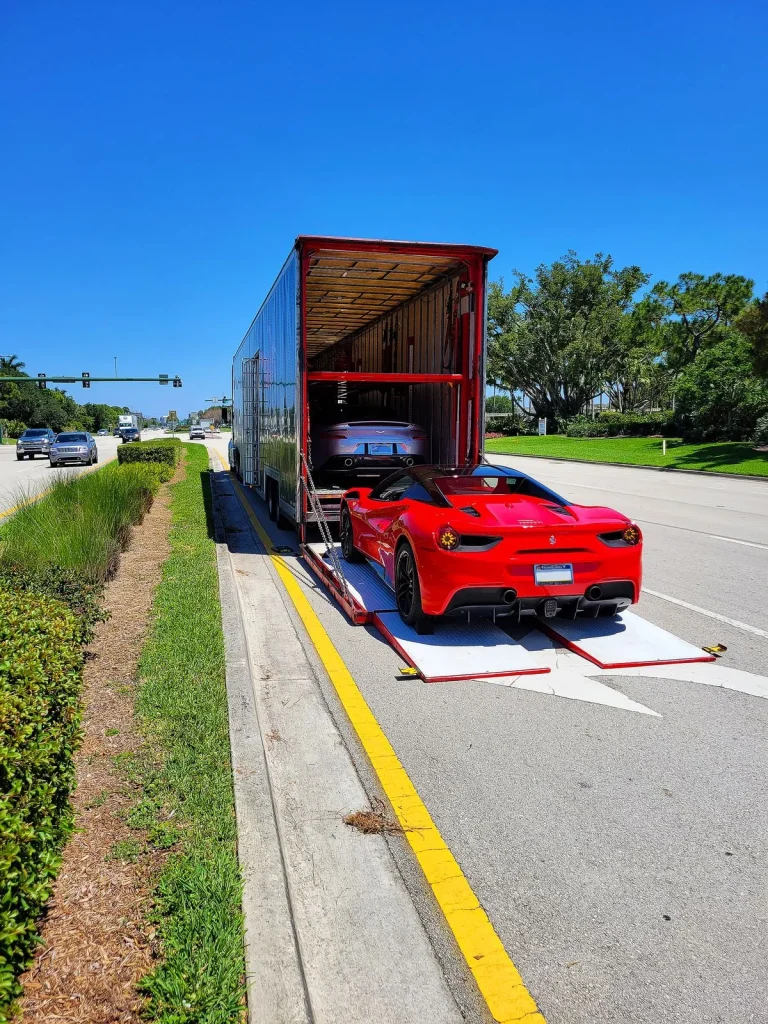
Arranging vehicle transportation can be challenging when you are moving, buying a car from another city, or sending a vehicle to a family member. You may need to coordinate your own travel while also figuring out how to get your car to its destination.
Door-to-door auto transport is designed to simplify that process by arranging vehicle pickup and delivery near specified addresses, where road access and safety permit.
Before booking, it helps to understand how the service works, what affects availability, and which details you should confirm with your transport provider.
What Is Door-to-Door Auto Transport?
Door-to-door auto transport is a vehicle shipping service in which pickup and delivery are arranged as close as reasonably possible to the requested locations.
Instead of independently taking your vehicle to a distant terminal and collecting it from another terminal, you coordinate pickup and delivery locations with the transport provider.
The exact arrangement depends on the carrier’s route, truck dimensions, local regulations, road conditions, and whether a safe loading area is available.
For example, a carrier may be unable to enter a narrow residential street or a community with vehicle-size restrictions. In that situation, you may need to meet the driver at a nearby accessible location.
How Does the Process Work?
Although procedures vary by provider, door-to-door transport generally follows several stages.
Step 1: Request a Quote
Provide your pickup and delivery addresses, vehicle make and model, approximate shipping dates, and whether the vehicle is operational.
Accurate information helps the provider assess the route and determine what arrangements may be necessary.
Ask whether the quote is binding or estimated, what services it includes, and whether any additional charges could apply.
Step 2: Confirm the Transport Details
Before agreeing to shipment, review the proposed dates, pickup arrangements, payment terms, cancellation policy, and expected delivery window.
Confirm whether the provider will transport the vehicle directly or arrange transportation through a third-party carrier.
If a carrier will be assigned later, ask when you will receive the carrier’s details and what documentation will be provided.
Step 3: Arrange Pickup
Make sure the vehicle is prepared and that the pickup location is accessible.
The driver may need room to maneuver the transport equipment safely. If the location is unsuitable, agree on an alternative meeting point before pickup.
Review the vehicle inspection documentation and keep a copy for your records.
Step 4: Receive Your Vehicle
Stay available during the agreed delivery window and ensure the receiving location is accessible.
When the vehicle arrives, inspect its condition and compare it with your pre-shipment photographs and inspection report. Document any concerns and follow the provider’s procedures for reporting potential damage.
What Affects the Cost of Door-to-Door Auto Transport?
There is no single price that applies to every shipment. Several factors can influence the quote.
Distance and route: Longer shipments may cost more overall, while pricing per mile can vary by route and shipment length.
Vehicle size and weight: Large SUVs, pickup trucks, and modified vehicles may require more carrier space or specialized arrangements.
Transport method: Open transport and enclosed transport can have different prices.
Pickup and delivery access: Difficult access, remote locations, or special loading requirements may affect scheduling and cost.
Timing and availability: Requested dates, seasonal demand, and available carrier capacity can influence the price.
Vehicle condition: Inoperable vehicles may require special equipment and additional handling.
When comparing quotes, make sure the services and terms are comparable. A lower initial quote may not include the same arrangements or conditions as another provider’s quote.
Is Door-to-Door Transport Always Available?
No. The service depends on the practical conditions at both ends of the shipment.
Some residential streets are too narrow for large carriers. Low branches, parked vehicles, steep driveways, weight restrictions, gated communities, and local rules may also prevent a carrier from reaching the exact address.
Discuss access concerns when requesting a quote. If direct access is not possible, a nearby parking lot or another suitable meeting point may be an option, provided it is safe and permitted.
Do not assume that a carrier can enter a particular property simply because a standard delivery address has been supplied.
How to Prepare for Pickup and Delivery
A few simple steps can help you prepare.
- Confirm the pickup and delivery dates or estimated windows.
- Provide accurate addresses and working phone numbers.
- Ask whether the carrier can access both locations.
- Remove personal belongings and loose items from the vehicle.
- Photograph the vehicle before pickup.
- Disclose mechanical problems and modifications.
- Review the transport agreement and payment terms.
- Keep copies of the vehicle inspection and shipping documents.
- Inspect the vehicle at delivery and document any concerns.
Clear communication is particularly important if someone else will hand over or receive your vehicle.
Questions to Ask Before Booking
Before committing to a provider, ask:
- What exactly is included in the quoted price?
- Is the quoted pickup or delivery date guaranteed or estimated?
- Will the shipment be handled by the company or an assigned carrier?
- What coverage applies to the vehicle during transportation?
- What happens if the pickup location is inaccessible?
- What are the cancellation and payment policies?
- How should damage or delivery concerns be documented and reported?
Request clear answers in writing so you can compare providers fairly.