
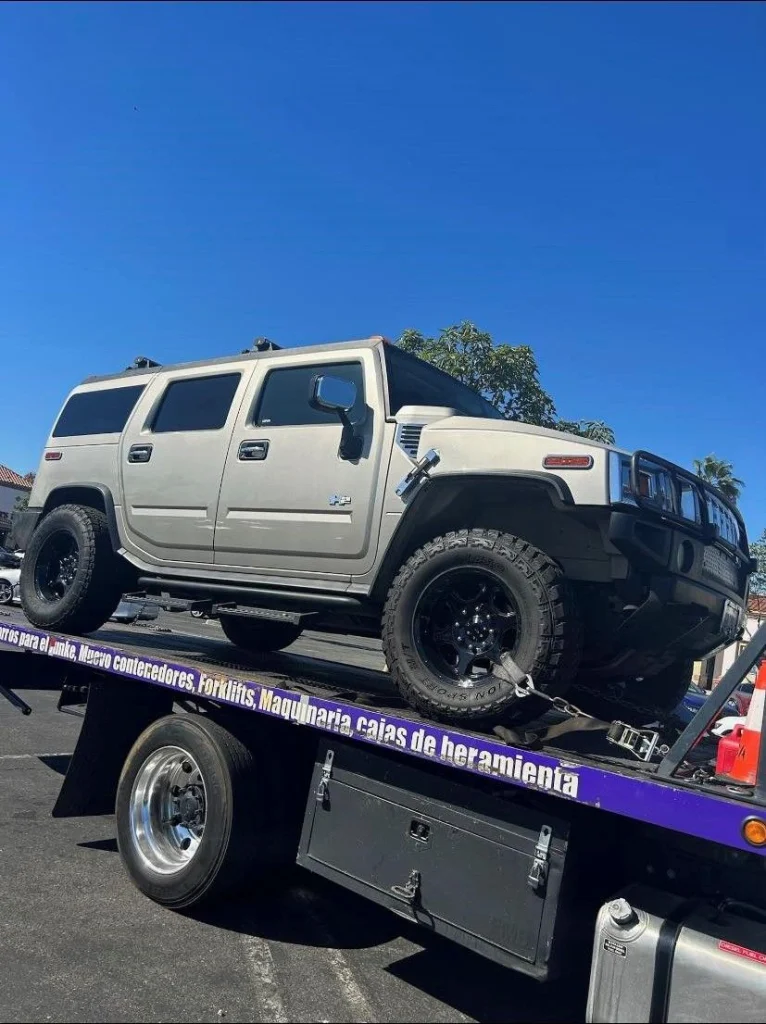
Shipping a vehicle can be a practical solution when moving to another state, purchasing a car from a distant seller, relocating for work, or transporting a vehicle to a new home. One of the first decisions you’ll need to make is whether to choose open or enclosed car transport.
Both options can help move your vehicle from one location to another, but they offer different levels of protection, availability, and cost. Understanding these differences can help you select the service that best fits your vehicle and transportation needs.
What Is Open Car Transport?
Open car transport is a vehicle shipping method in which cars are loaded onto an open carrier. These carriers are commonly used to transport multiple vehicles on the same trip.
Because open carriers are widely used throughout the auto transport industry, they are often a practical choice for everyday vehicles, including sedans, SUVs, pickup trucks, and many standard passenger cars.
Benefits of Open Car Transport
A practical shipping option: Open transport is commonly selected for routine vehicle shipments and everyday transportation needs.
Potentially lower shipping costs: Open carriers can transport multiple vehicles, which may make this option more economical than enclosed shipping. Actual prices depend on the route, vehicle, carrier availability, and other factors.
Broad availability: Open carriers are commonly used on many domestic vehicle shipping routes.
Suitable for many vehicles: Most standard passenger vehicles can be transported using an appropriately equipped open carrier.
What Should You Consider?
Vehicles transported on open carriers are exposed to outdoor conditions during transit, including rain, dust, and road debris. This does not mean damage will occur, but it is a consideration when choosing how to ship your vehicle.
Before transport, remove personal belongings, document the vehicle’s condition, and ask the transport provider about inspection procedures and applicable protection arrangements.
What Is Enclosed Car Transport?
Enclosed car transport uses a covered trailer to transport vehicles inside an enclosed space. It is often considered by owners of classic cars, luxury vehicles, collector cars, exotic vehicles, and other automobiles for which reducing exposure to outside conditions is a priority.
Benefits of Enclosed Car Transport
Protection from outdoor exposure: The covered trailer helps shield the vehicle from rain, road dust, and many forms of road debris.
An option for valuable vehicles: Owners of classic, collectible, and specialty vehicles may prefer enclosed transport when arranging shipment.
Additional peace of mind: Some owners value the added protection offered by a covered trailer, particularly when transporting a vehicle with a special finish or significant personal value.
What Should You Consider?
Enclosed transport generally costs more than open transport, although the actual difference varies by route, vehicle dimensions, carrier availability, and scheduling requirements.
Not every route has the same enclosed-carrier availability. If you are considering this option, ask about the proposed trailer, pickup arrangements, delivery estimates, and any specific requirements for your vehicle.
Open vs. Enclosed Transport: Key Differences
The main difference is how the vehicle is carried during transit.
Open transport is frequently selected for everyday vehicles and cost-conscious shipping arrangements. Enclosed transport is often preferred when reducing exposure to outside conditions is particularly important.
Neither option should be selected solely on price. Consider your vehicle’s value, condition, dimensions, route, preferred schedule, and the transport provider’s terms.
Which Option Is Best for Your Vehicle?
Choose open car transport if you have a standard vehicle and want to explore a commonly used shipping method.
Consider enclosed car transport if you own a classic, collectible, luxury, or specialty vehicle and prefer the additional shielding provided by a covered trailer.
If you are unsure, request information about both options. Compare the quoted services, expected timelines, vehicle inspection process, cancellation terms, and applicable insurance or carrier coverage before making a decision.
How to Prepare Your Car for Shipping
Regardless of the transport method, preparation helps make the process more organized.
- Clean the exterior so existing marks and scratches are easier to identify.
- Photograph the vehicle from multiple angles before pickup.
- Remove personal belongings and loose accessories.
- Check for fluid leaks and disclose known mechanical issues.
- Confirm the vehicle’s pickup and delivery arrangements.
- Review the transport agreement and clarify any questions before authorizing shipment.
- Keep a copy of the inspection report and relevant shipping documents.
Follow any additional instructions provided by your transport coordinator or carrier.