
AutoMove Car Shipping helps customers explore state-to-state auto transport for vehicles moving between cities across the United States. Whether you are relocating, buying a vehicle out of state, or arranging transportation for someone else, you can discuss your route, vehicle requirements, and preferred shipping method.
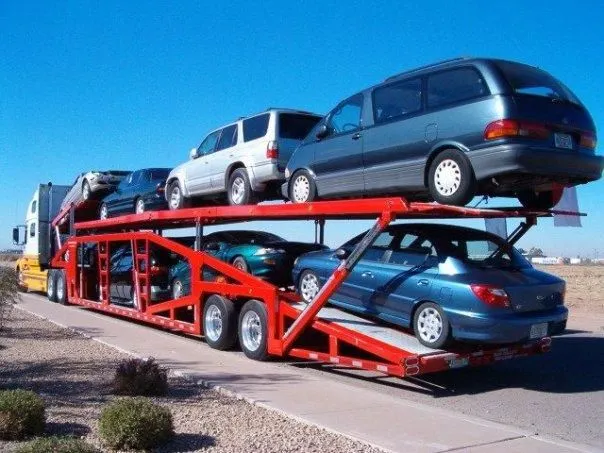
Moving a vehicle between states can involve long distances, travel expenses, scheduling challenges, and additional wear from driving. State-to-state auto transport offers an alternative by arranging for a vehicle to be transported to another state by an appropriate vehicle carrier.
AutoMove Car Shipping helps customers explore transportation options based on their pickup location, destination, vehicle specifications, and scheduling needs. Customers in Miami Beach, Florida, can discuss interstate shipping requirements for eligible routes and destinations.
State-to-state auto transport involves moving a vehicle from a pickup location in one state to a destination in another state.
Customers may use this service when relocating for employment, moving between homes, purchasing a vehicle from an out-of-state seller, sending a car to a family member, or transporting a vehicle for seasonal use.
The transportation arrangement depends on the route, vehicle dimensions, carrier availability, pickup and delivery access, and requested schedule.
Before booking, confirm which transportation provider will handle the vehicle and review the applicable service agreement.
Driving across several states can involve fuel, lodging, meals, tolls, and time away from work or other responsibilities. Shipping your vehicle may offer an alternative, depending on the route and total cost.
Compare the full cost of driving with the quoted transportation price before making a decision.
Customers moving to another state may need to coordinate housing, employment, belongings, and travel arrangements. Having a separate vehicle transportation plan can make the move easier to organize.
Open transport is often considered for standard vehicles and may offer a more economical option. Enclosed transport may be preferable when additional protection from direct environmental exposure is important.
Availability depends on the route, carrier, vehicle, and requested dates.
Eligible sedans, SUVs, and other vehicles may be transported between states. The carrier must confirm that the vehicle’s dimensions, weight, operating condition, and loading requirements can be accommodated.
Specialty and inoperable vehicles may require additional planning.
Provide your pickup and destination addresses, vehicle details, preferred dates, and operating condition.
Accurate information helps the transportation provider assess the route and determine whether special equipment or arrangements may be required.
Discuss whether open or enclosed transport is more appropriate for your vehicle.
Consider your budget, vehicle condition, exposure concerns, route availability, and scheduling needs. Confirm the service type and all important terms in writing.
Review the quoted price, payment schedule, estimated pickup window, expected transit timeframe, cancellation policy, and responsibilities of each party.
If a broker arranges transportation through a separate motor carrier, confirm the identity of the carrier and understand how communication and claims will be handled.
Remove personal belongings, photograph the vehicle, and disclose any mechanical issues or modifications.
Follow the carrier’s instructions concerning keys, fuel, battery condition, and access to the vehicle. Keep a copy of the pickup inspection report and booking documentation.
Ensure the pickup location is accessible and someone can respond to scheduling communications when necessary.
At pickup, check the vehicle condition report or bill of lading. At delivery, inspect the vehicle and document any concerns before completing the final paperwork, where possible.
The cost of interstate vehicle shipping varies by shipment.
Common factors include:
Longer routes do not always cost proportionally more per mile. Carrier demand, route popularity, and scheduling can also influence the quote.
Request a price based on your exact route and ask whether the quoted amount includes all agreed services.
Delivery time depends on the distance, route, carrier schedule, traffic, weather, pickup arrangements, and other operational factors.
A shorter interstate route may take less time than a cross-country shipment, but no universal delivery timeframe applies to every route.
Ask for an estimated pickup window and transit timeframe, and confirm how delays or schedule changes will be communicated.
Before the shipment begins, ask for the motor carrier’s relevant registration information, cargo insurance details, coverage limits, exclusions, and claims process.
Keep your quote, booking confirmation, bill of lading, vehicle condition report, photographs, and payment records.
Do not assume that every kind of damage or delay is covered. Review the relevant agreements and report concerns promptly according to the applicable procedure.
State-to-state auto transport can be a practical option when driving the vehicle yourself is inconvenient or inconsistent with your relocation plans.
The best arrangement depends on your route, budget, vehicle, and timing. Accurate information and written confirmation can help you understand the service before committing.
AutoMove Car Shipping offers state-to-state auto transport, open car transport, enclosed car transport, and door-to-door auto transport.
Call (786) 977-5752 or visit automovecarshipping.us to discuss your origin, destination, vehicle details, and preferred shipping schedule.
Find answers to some common questions about car shipping and vehicle transportation.
AutoAxis Car Transport lists four services: open car transport, enclosed car transport, door-to-door auto transport, and state-to-state auto transport. Availability depends on your vehicle, route, requested dates, and carrier arrangements. Contact us at (727) 472-3877 to discuss your requirements.
The cost of shipping a car depends on the distance, vehicle size, transport method, route demand, pickup and delivery locations, and scheduling requirements. Enclosed transport may cost more than open transport. Request a quote with your vehicle and route details to understand the pricing for your shipment.
Open car transport carries vehicles on an uncovered carrier and is commonly used for standard passenger vehicles. Enclosed car transport places vehicles inside a covered trailer, helping shield them from outdoor conditions. Your choice depends on your vehicle, budget, protection preferences, and route availability.
Door-to-door auto transport aims to arrange pickup and delivery as close as reasonably possible to your requested addresses. However, narrow roads, restricted access, local regulations, and carrier safety requirements may prevent direct access. Provide your pickup and delivery addresses when requesting a quote so the arrangements can be assessed.
Clean your vehicle, photograph its existing condition, remove personal belongings, and disclose mechanical problems or modifications. Follow the carrier's instructions about fuel levels, keys, and vehicle preparation. Confirm the pickup and delivery details and keep copies of the inspection report and transportation agreement.