
Enclosed car transport is a vehicle shipping option for customers who prefer a covered trailer to help protect their vehicles from direct exposure to weather and road debris. AutoMove Car Shipping helps customers explore enclosed transportation options for eligible vehicles and routes.
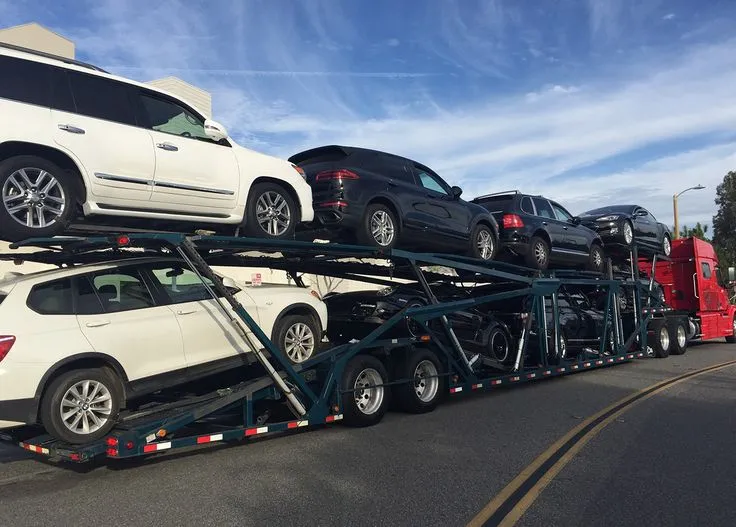
Some vehicles require additional consideration when they are being transported over long distances. Classic cars, luxury automobiles, collector vehicles, and specialty models may have finishes or features that make owners particularly concerned about exposure to outdoor conditions.
Enclosed car transport offers an alternative to open vehicle shipping by placing the vehicle inside a covered trailer. AutoMove Car Shipping helps customers explore vehicle transportation options from Miami Beach, Florida, and other eligible locations based on their shipment requirements.
Enclosed car transport is a shipping method in which vehicles are transported inside a covered trailer rather than on an exposed open carrier.
The enclosure helps shield the vehicle from direct exposure to rain, dust, and road debris. Depending on the equipment used, the carrier may offer different loading arrangements and vehicle capacities.
Enclosed shipping is commonly considered for vehicles whose owners place a high priority on limiting environmental exposure during transportation.
The specific equipment, loading method, and vehicle acceptance requirements should always be confirmed with the provider before booking.
Owners of classic or collectible vehicles may prefer an enclosed environment to help limit exposure to outdoor elements. Before arranging transportation, confirm whether the vehicle’s dimensions, condition, and loading requirements can be accommodated.
Luxury vehicles may feature specialized paint finishes, expensive components, or customized interiors. Enclosed transport may appeal to owners who prefer an additional barrier against environmental exposure.
Certain exotic, modified, or specialty vehicles require particular attention to ground clearance, dimensions, or loading procedures. Discuss these details with the transportation provider before confirming a shipment.
Some vehicles may need particular loading equipment or handling arrangements. Explain any modifications, low clearance, mechanical problems, or other restrictions when requesting a quote.
Not every enclosed carrier accommodates every vehicle, so suitability must be confirmed.
The covered trailer helps shield the vehicle from direct rain, dust, and road debris. However, enclosed transportation does not eliminate all risks, and no method can guarantee that a vehicle will remain free from damage.
Owners who are particularly concerned about their vehicle’s exterior condition may prefer enclosed shipping, especially for restored, collectible, or specialty automobiles.
A covered trailer creates a different transportation environment from an open carrier. Customers should ask about the equipment, vehicle capacity, loading arrangements, and inspection process before booking.
Enclosed transport may be available for eligible long-distance and state-to-state shipments. Availability and scheduling depend on the route, carrier, vehicle requirements, and requested dates.
The first step is to request a quote with accurate vehicle information, including its make, model, year, dimensions when relevant, operating condition, pickup location, and destination.
Explain why you prefer enclosed transport and disclose any special requirements. The provider can then review available options and communicate the applicable price and scheduling arrangements.
Before pickup, photograph the vehicle, remove personal belongings, and make sure existing scratches or dents are documented. Review the pickup inspection report carefully and retain a copy.
At delivery, inspect the vehicle and compare its condition with the original documentation. Record any concerns and follow the agreed reporting and claims process.
Enclosed transport generally costs more than open transport, although the difference varies by shipment.
Factors that can affect the price include route distance, vehicle size, trailer availability, pickup and delivery accessibility, scheduling, and specialized loading requirements.
The value of the vehicle does not automatically determine the shipping price, but special equipment or handling needs may affect the quote.
Ask for written pricing details, payment terms, cancellation rules, and information about any additional charges before booking.
Clean the vehicle sufficiently for inspection and photograph its exterior from several angles. Remove personal items and valuables, disclose any modifications or mechanical problems, and follow the carrier’s instructions for fuel, keys, and battery condition.
If the vehicle has low ground clearance, a nonstandard body kit, or other unusual features, explain these requirements in advance.
Request information about the carrier’s cargo insurance, policy limits, exclusions, and claims procedure. Do not assume that every type of damage is covered.
Enclosed shipping may be worthwhile when limiting direct exposure to outdoor conditions is a priority. For a standard daily driver, open transport may offer a more economical alternative.
Compare the cost, vehicle requirements, route availability, and coverage information before deciding which option best fits your needs.
AutoMove Car Shipping can help you discuss enclosed car transportation based on your vehicle, pickup location, and destination.
Call (786) 977-5752 or visit automovecarshipping.us to request information about enclosed vehicle shipping and available transportation options.
Find answers to some common questions about car shipping and vehicle transportation.
AutoAxis Car Transport lists four services: open car transport, enclosed car transport, door-to-door auto transport, and state-to-state auto transport. Availability depends on your vehicle, route, requested dates, and carrier arrangements. Contact us at (727) 472-3877 to discuss your requirements.
The cost of shipping a car depends on the distance, vehicle size, transport method, route demand, pickup and delivery locations, and scheduling requirements. Enclosed transport may cost more than open transport. Request a quote with your vehicle and route details to understand the pricing for your shipment.
Open car transport carries vehicles on an uncovered carrier and is commonly used for standard passenger vehicles. Enclosed car transport places vehicles inside a covered trailer, helping shield them from outdoor conditions. Your choice depends on your vehicle, budget, protection preferences, and route availability.
Door-to-door auto transport aims to arrange pickup and delivery as close as reasonably possible to your requested addresses. However, narrow roads, restricted access, local regulations, and carrier safety requirements may prevent direct access. Provide your pickup and delivery addresses when requesting a quote so the arrangements can be assessed.
Clean your vehicle, photograph its existing condition, remove personal belongings, and disclose mechanical problems or modifications. Follow the carrier's instructions about fuel levels, keys, and vehicle preparation. Confirm the pickup and delivery details and keep copies of the inspection report and transportation agreement.